Knowledge
EU €150 customs exemption abolished: what brands shipping direct should do now
In short: Since 1 July 2026, consignments from outside the EU up to €150 are no longer duty-free. A flat €3 duty applies per item category, and import VAT has applied from the first cent since 2021. If you have been supplying EU customers with single parcels from Asia or the US, check whether importing as one load and shipping from a warehouse in the EU costs less.
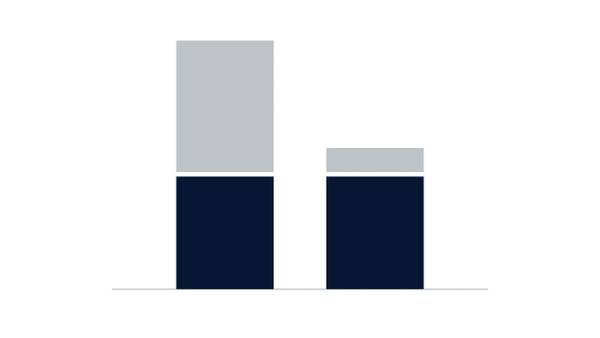
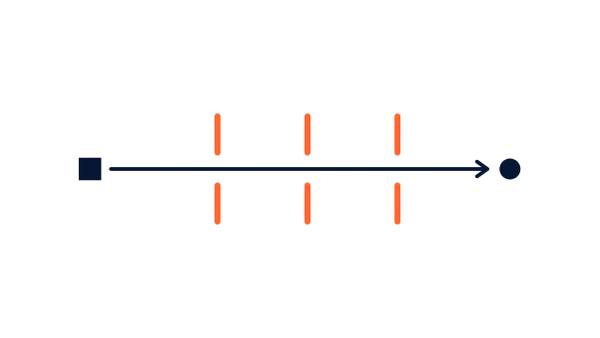
One load across the border instead of a thousand parcels.
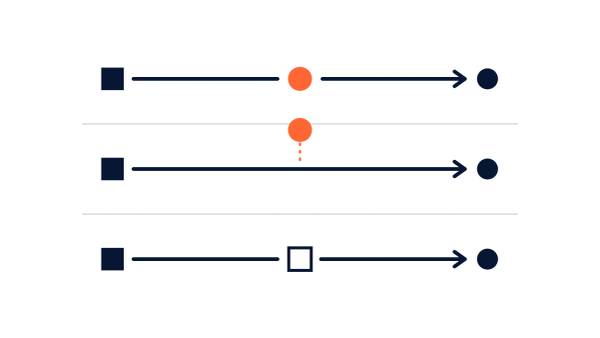
With direct shipping, each parcel is declared and cleared separately, with an imported load only once.
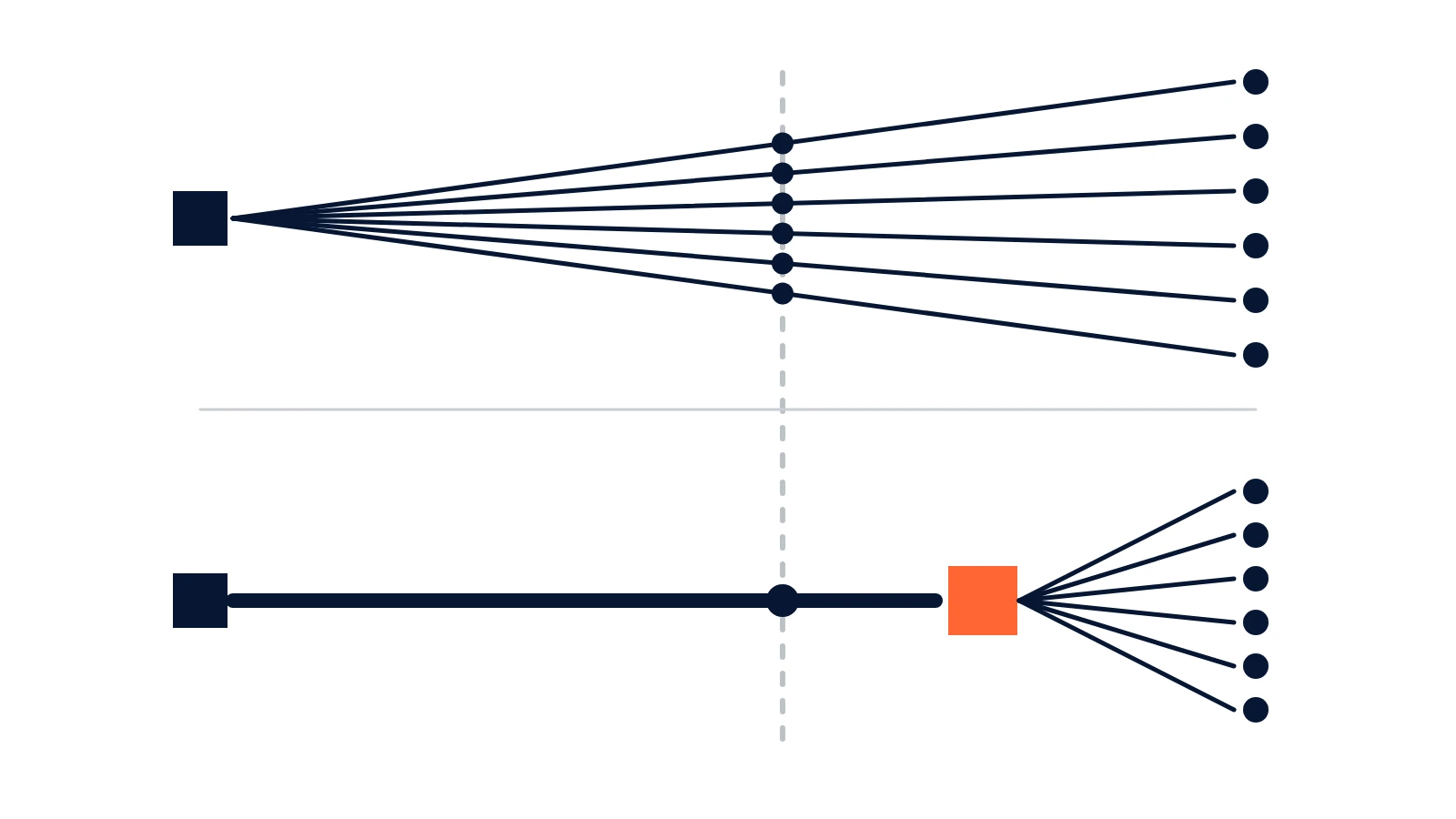
What changed in 2026
1 July 2026: The €150 duty exemption was abolished. Distance sales consignments up to €150 intrinsic value carry a flat duty of €3 per item category. If a consignment contains only several T-shirts, the €3 applies once; different kinds of goods count separately.
1 November 2026: Customs declarations for consignments up to €150 must include a product identifier, such as item number, model number or GTIN.
Until at least 1 July 2028: The transitional rule applies until then. The EU customs reform follows; the rules for low-value consignments may change again.
Unchanged since 1 July 2021: Import VAT applies from the first cent, the former €22 exemption no longer exists. Above €150, normal duty rates apply as before.
What this means per order
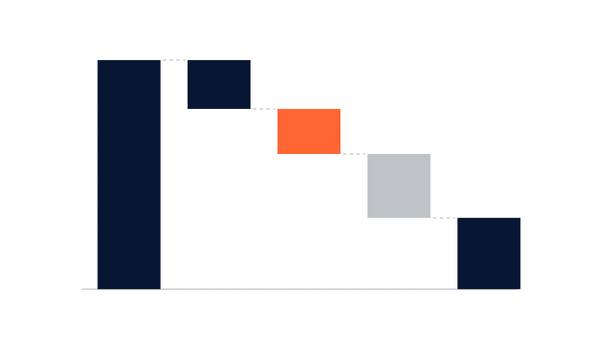
For an item worth €20, €3 duty is 15% of the value of the goods, before import VAT and the parcel carrier’s clearance fees. The cheaper the goods and the more different kinds of goods in one parcel, the harder the new rule hits.
When importing as one load pays off
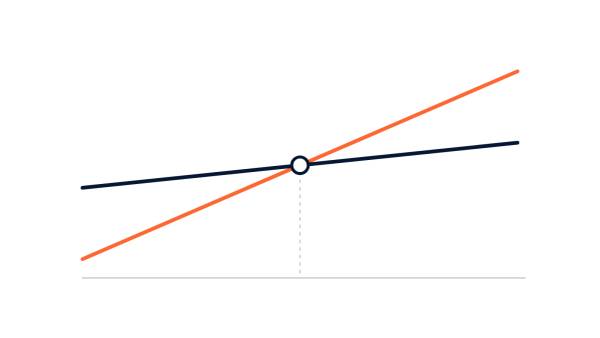
When goods are imported as a load, an importer declares them once per consignment, for example per container or pallet. Duty then depends on the duty rate of the goods and their customs value. That can be more or less than €3 per item; check it per tariff number. Businesses can usually deduct import VAT as input tax. In return, warehousing, picking and shipping within the EU come on top.
It tends to pay off for low-priced goods, many orders and customers in several EU countries.
It tends not to pay off for expensive single items and few orders.
To import as a load, you need an importer in the EU: your own company or a Merchant of Record that takes on this role.
What we take over
In the Merchant of Record model, we declare the import as importer, advance duty and import VAT and pass them on to you. The goods are stored in our warehouse in Germany, from where we ship to your customers in the EU.
What receiving, storage and shipping from our warehouse cost is in the price list.
Related services
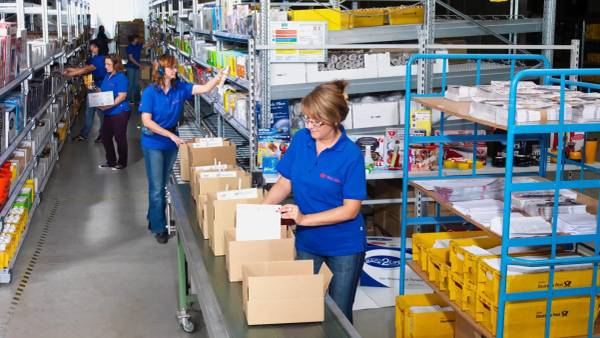 Fulfillment and warehousing in Germanyfrom €300* per monthplus usage as per price list
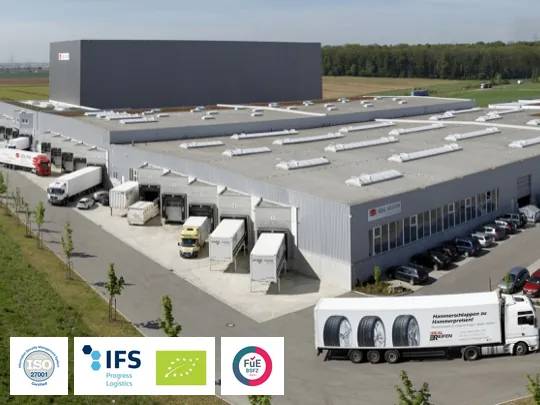 Merchant of Record Europefrom €950* per monthplus 2.9% of gross sales incl. VAT before returns
- Agency model: eCommerce operations on your account€1,900* per monthplus 2.9% of gross sales incl. VAT before returns
 E-commerce & international shipping: your springboard to global marketsPrice on request
 Overstock Recovery 20: sell surplus stock, returns and old packaging€6,500* one-offplus 15% on sales
 Safe food handling: the highest standards of hygiene and storagePrice on request
Good to know
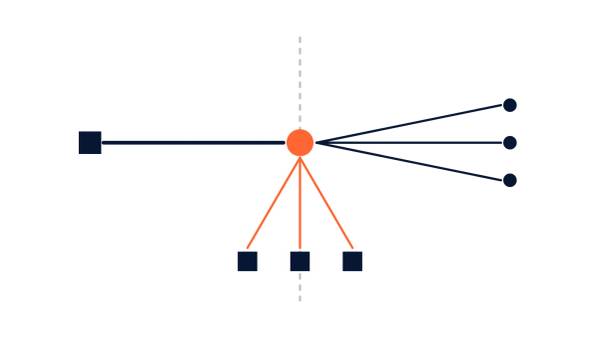 KnowledgeImporting goods into the EU: who the importer is and what comes with the role
- FAQImport and customs
 KnowledgeFulfillment costs: what makes up the price per order
 KnowledgeMerchant of Record for brands selling goods: when it pays off
 KnowledgeMerchant of Record, agency model or your own EU company: three routes into Europe
 KnowledgeReturns in ecommerce: what a return costs and who pays for it
 KnowledgeSelling in Germany without a German base: VAT, packaging register, product safety
- FAQE-Commerce for SMEs
- FAQEnter Europe
- FAQFulfillment and warehousing
- FAQMerchant of Record operations
You might also be interested in


*Prices excl. VAT
Sources and notes
- Schematic chart, no values.
- Sources: German Federal Ministry of Finance, abolition of the €150 duty exemption; IHK Chemnitz, duty on low-value imports from July 2026 (Regulation (EU) 2026/382); IHK Rhein-Neckar, duties on low-value consignments from third countries (product identifier from 1 Nov 2026, transitional rule until at least 1 Jul 2028); Austrian Federal Chancellery, EU introduces new duty on small online orders (07/2026, T-shirt example); IHK Gera, abolition of the €22 exemption on 1 Jul 2021; IHK Bodensee-Oberschwaben, imports from third countries (input tax deduction). All retrieved on 25 Nov 2026. The rules for low-value consignments will keep changing until 2028. General information based on publicly available sources, as of 25 Nov 2026. Not legal, tax or financial advice. The decision and the business risk remain with you.