Knowledge
Merchant of Record for brands selling goods: when it pays off
In short: A Merchant of Record pays off if you want to sell in Germany and the EU without setting up your own company, tax registrations and a team for invoices, returns and customer queries. It stops paying off once your revenue is so large that your own structure costs less than its fee and commission.
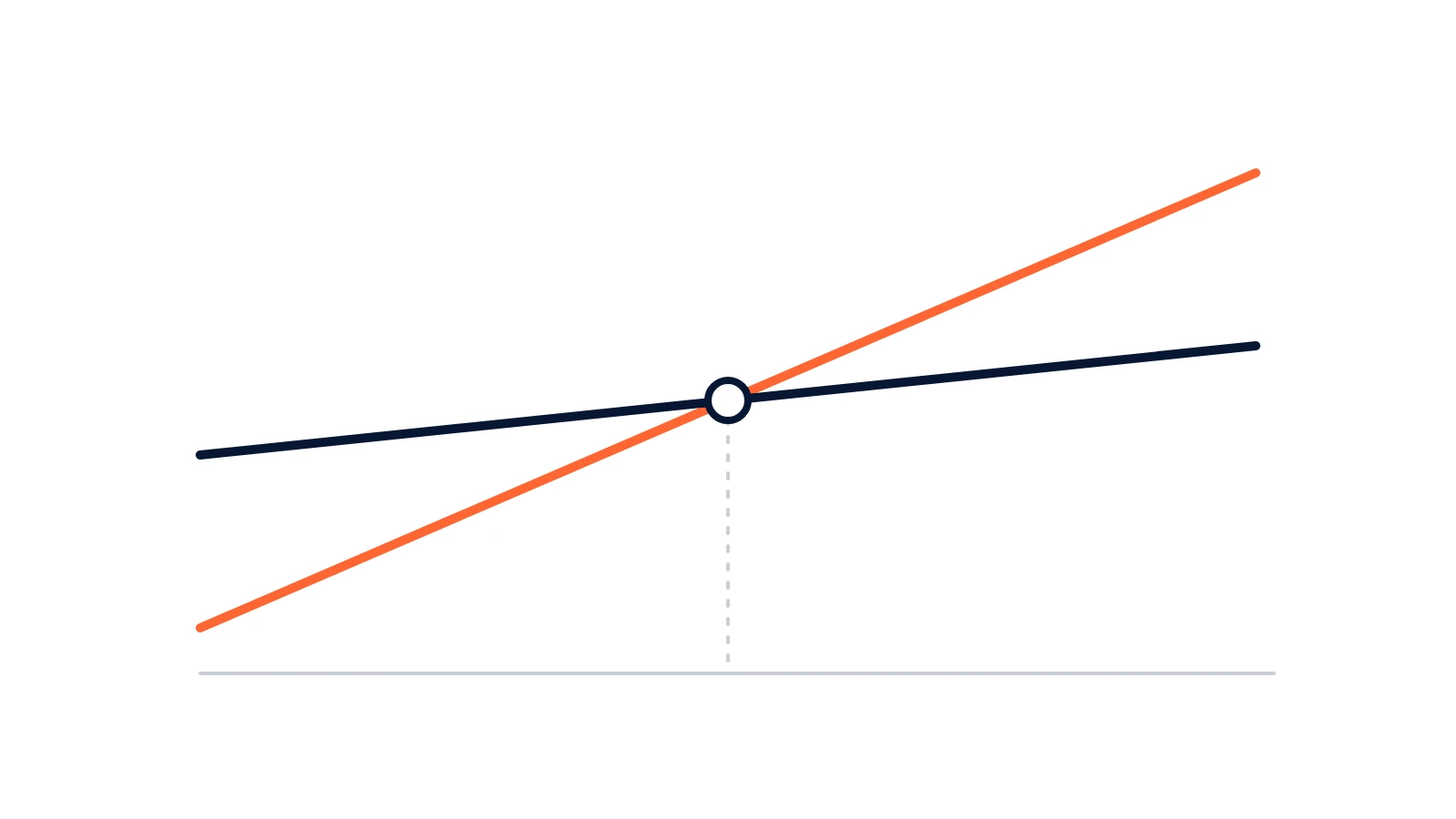
Up to a revenue threshold, the Merchant of Record costs less.
Your own structure costs money from the first month, a Merchant of Record grows with your revenue.
What a Merchant of Record takes over for goods
Most providers you find under this term sell software and digital products. There it is about payments and VAT. With goods, import, warehousing, packaging and returns come on top. A Merchant of Record for goods is the seller of your products and takes over:
selling to your customers and invoicing in its own name,
VAT in the countries it sells to,
import as importer, with customs declaration, duty and import VAT,
the packaging register and the role of responsible person in the EU under the General Product Safety Regulation,
withdrawal, warranty and payment handling towards your customers.
What stays with you
Your product, your brand, your prices and the goods. Plus the evidence that your product may be sold in the EU, such as CE marking, test reports and safety information. Being on the legally safe side does not mean having no obligations. Without this evidence, you cannot sell through a Merchant of Record either.
When it pays off
You have no company in the EU and do not want to set one up before the market is proven.
You want to test several countries or marketplaces at once.
You lack a team for VAT, invoices, returns and customer queries in several languages.
Your goods come from outside the EU and need an importer.
When it does not pay off
You have an EU company with accounting and tax registration and stable, large revenue. Above a threshold, your own structure then costs less.
You want to be on the invoice yourself and run your own marketplace accounts. Then the agency model fits: you sell, a service provider operates.
You lack the evidence for selling in the EU. That has to be solved first.
How to calculate the threshold
Add up what your own structure costs per year: company and management, tax advice, VAT returns per country, packaging licence, accounting and staff for invoices, returns and customer queries. Deduct the Merchant of Record fees for one year and divide the rest by its commission rate. The result is the gross revenue per year above which your own structure costs less. Below it, the Merchant of Record costs less.
With us, the fee for the shared account is €950* per month. On top comes a service commission on gross revenue including VAT before returns.
What the fee includes and how the shared and the own account differ is on the page of our Merchant of Record.
Related services
 Merchant of Record Europefrom €950* per monthplus 2.9% of gross sales incl. VAT before returns
- Agency model: eCommerce operations on your account€1,900* per monthplus 2.9% of gross sales incl. VAT before returns
 Efficient Debt Purchasing: Acquiring Outstanding Claims for Immediate LiquidityPrice on request
 Product data management: Your key to accurate and appealing product informationPrice on request
 Secure e-commerce: ensuring data protection and transaction securityPrice on request
 Strengthen your brand image through customer reviewsPrice on request
Good to know
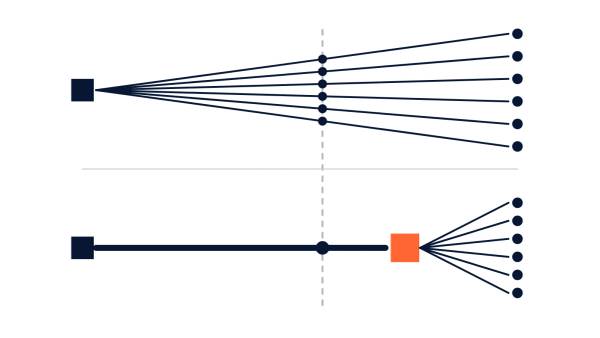 KnowledgeEU €150 customs exemption abolished: what brands shipping direct should do now
 KnowledgeImporting goods into the EU: who the importer is and what comes with the role
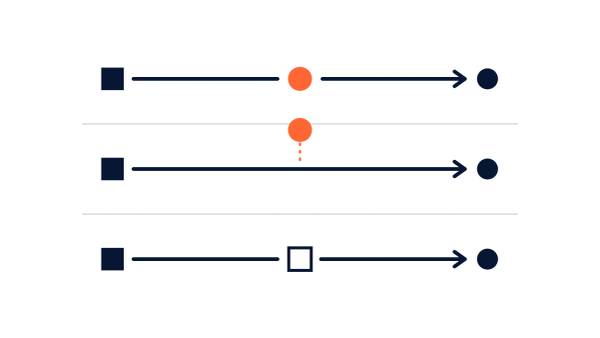 KnowledgeMerchant of Record, agency model or your own EU company: three routes into Europe
 KnowledgeSelling in Germany without a German base: VAT, packaging register, product safety
- FAQE-Commerce for SMEs
- FAQEnter Europe
- FAQImport and customs
- FAQMerchant of Record operations
You might also be interested in

*Prices excl. VAT
Sources and notes
- Schematic chart, no values.
- Sources: Google search “merchant of record”, first results page on 25 Nov 2026 (mostly providers for software and digital products); scope of services as per our terms. General information based on publicly available sources, as of 25 Nov 2026. Not legal, tax or financial advice. The decision and the business risk remain with you.