Knowledge
Importing goods into the EU: who the importer is and what comes with the role
In short: The importer is whoever declares the goods to customs for import into the EU and places them on the market here. The importer carries the customs declaration with EORI number and tariff number, duty and import VAT, and the responsibility for the goods meeting EU rules.
Whoever brings the goods across the border carries the obligations.
Manufacturers outside the EU need their own company in the EU or someone who takes on this role.
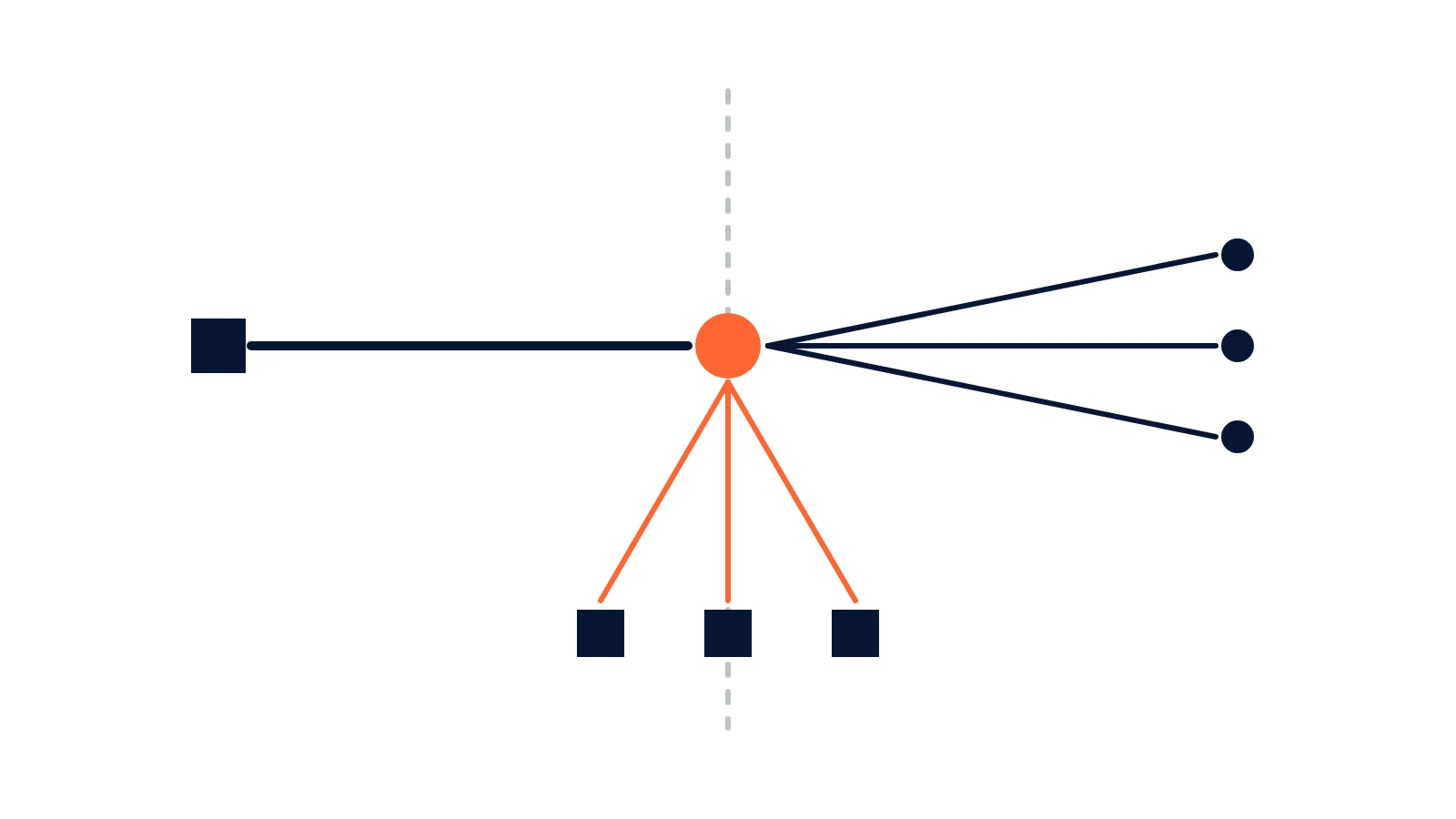
What the importer does
EORI number. Anyone declaring goods to customs needs this identifier, valid across the EU. Applying to customs is free of charge.
Tariff number. It classifies each product in the customs tariff. The duty rate and further formalities follow from it.
Customs declaration. The import is declared electronically, in Germany via the ATLAS system, with the supplier’s commercial invoice.
Charges. Duty, import VAT and, depending on the goods, excise duties. Businesses can usually deduct import VAT as input tax; duty remains a cost.
Rules. Whoever first places the product on the EU market is responsible for standards and marking such as CE. For imported goods, that is usually the importer. Under the General Product Safety Regulation, the importer states name and address on the product.
Who pays duty and import VAT
Supplier and buyer agree this in the contract, often via Incoterms delivery terms. The importer often pays. If a manufacturer delivers duty paid to the customer, the manufacturer or a service provider has to declare the import in the EU.
Three routes for manufacturers without an EU company
Your own company in the EU. It becomes importer and seller. This requires tax registration, EORI, accounting and staff.
The customer imports. A retailer buys ex works and declares the goods itself. Then you sell to retailers, not to consumers.
Merchant of Record. It imports, stores and sells for you. You supply the goods and the evidence.
What we take over
In the Merchant of Record model, we are the importer. We declare the import via a customs broker, advance duty and import VAT and pass them on to you. We appear as the responsible person in the EU on your products and listings. We need your product safety evidence before the first delivery.
How the Merchant of Record works with import, warehousing and sales, and what it costs, is on its page.
Related services
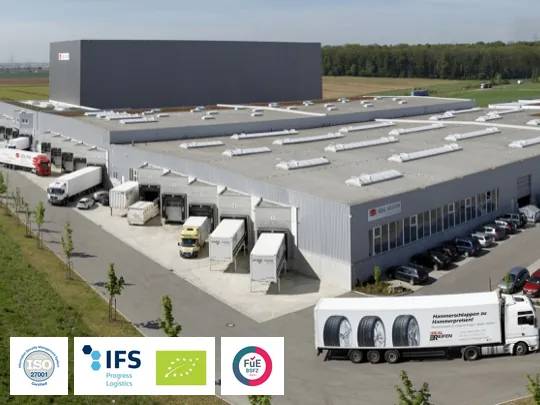 Merchant of Record Europefrom €950* per monthplus 2.9% of gross sales incl. VAT before returns
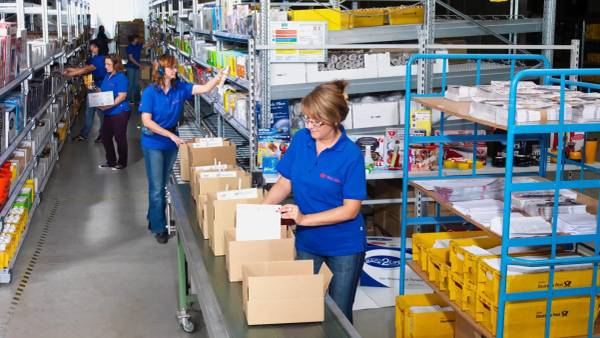 Fulfillment and warehousing in Germanyfrom €300* per monthplus usage as per price list
- Agency model: eCommerce operations on your account€1,900* per monthplus 2.9% of gross sales incl. VAT before returns
 E-commerce & international shipping: your springboard to global marketsPrice on request
 Overstock Recovery 20: sell surplus stock, returns and old packaging€6,500* one-offplus 15% on sales
 Safe food handling: the highest standards of hygiene and storagePrice on request
Good to know
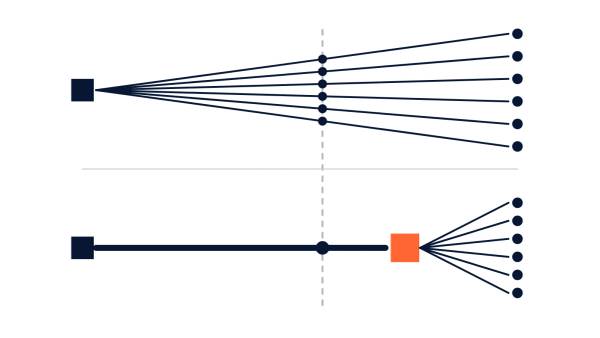 KnowledgeEU €150 customs exemption abolished: what brands shipping direct should do now
- FAQImport and customs
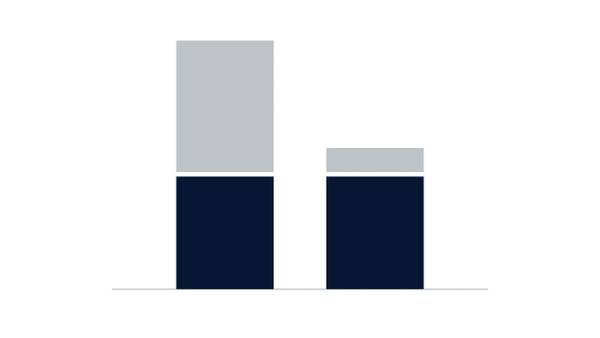 KnowledgeFulfillment costs: what makes up the price per order
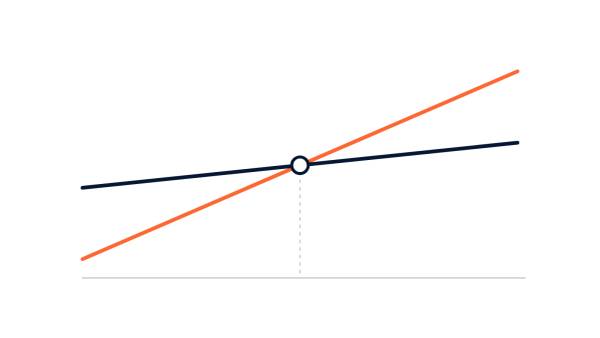 KnowledgeMerchant of Record for brands selling goods: when it pays off
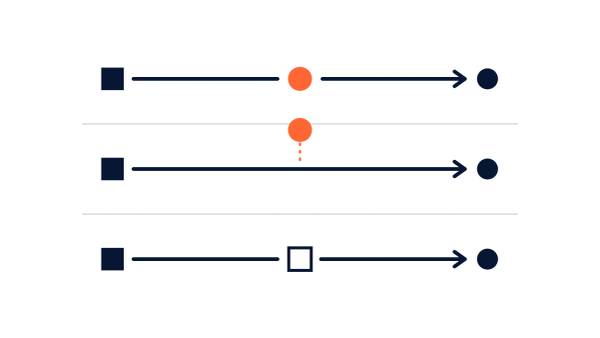 KnowledgeMerchant of Record, agency model or your own EU company: three routes into Europe
 KnowledgeReturns in ecommerce: what a return costs and who pays for it
 KnowledgeSelling in Germany without a German base: VAT, packaging register, product safety
- FAQE-Commerce for SMEs
- FAQEnter Europe
- FAQFulfillment and warehousing
- FAQMerchant of Record operations
You might also be interested in

*Prices excl. VAT
Sources and notes
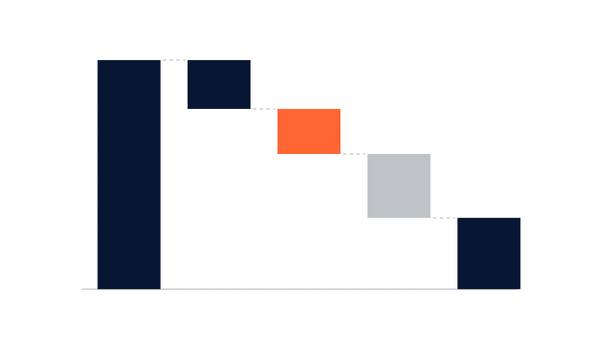
- Schematic chart, no values.
- Sources: IHK Munich, import basics (import charges); IHK Elbe-Weser, import fact sheet (EORI free of charge, tariff number, Incoterms); IHK Magdeburg, imports from third countries (ATLAS, commercial invoice, CE); IHK Bodensee-Oberschwaben, imports from third countries (input tax deduction); European Commission, Access2Markets, guide to importing goods (usually paid by the importer); IHK Ostwestfalen, product safety GPSR (importer details). All retrieved on 25 Nov 2026. General information based on publicly available sources, as of 25 Nov 2026. Not legal, tax or financial advice. The decision and the business risk remain with you.